
A form that will not submit
One customer hits a problem that other users never see.
About Laritor
Laritor began with a familiar production problem: knowing something went wrong, but missing the context to understand why.
Today, it helps Laravel developers track exceptions, find issues, and monitor performance, with the related events connected in one place.
Read the storyWhere it started
A customer could not submit a form. Recommendations disappeared at checkout. Payments became slow. Users ran into problems we could not reproduce later.
Often, nothing had crashed. These issues depended on a user role, session data, cached data, timing, a background job, a feature flag, or a particular application state.
Logs rarely held enough context. Metrics could show a slowdown, but understanding exactly what happened during one request was still difficult.
One customer hits a problem that other users never see.
A payment or API call takes longer than expected.
The session, cache, or application state has already changed.
Why Laritor was built
I wanted monitoring that understands how Laravel works. A request should connect all the work that happened inside it, in the order it happened.
Queries, cache activity, jobs, mails, notifications, outbound requests, logs, and exceptions belong together. Developers should be able to understand a production request in one connected view.
You can record only exceptions, record detected issues, or record all activity. Each recorded request or job includes its related events, so you can start with the problems you care about.
Load the order
Read the customer’s cart
Choose the checkout flow
Call the payment provider
Record what happened
See where the request failed
Talking with other teams
Conversations with engineering leaders at other companies made the pattern clear. Teams struggled to reproduce production-only issues and wanted a deeper view of their Laravel applications.
Those conversations confirmed that the need was shared. They also reinforced what I care about: helping developers spend less time guessing and more time solving real problems.
The journey
The initial commit to the Laritor Composer package marked the beginning of a monitoring platform built specifically for Laravel.
View the initial commitLearning that the Laravel team was building something so close to Laritor was a shock. I had already invested deeply in the product and faced a real choice: continue or stop. I decided to keep building, knowing I would face strong competition from the Laravel core team.
Read my reactionAfter more than a year of development, iteration, and solving hundreds of edge cases, Laritor was introduced publicly.
The first paid subscription showed that someone trusted Laritor enough to pay for the value it provided.
Laritor’s interface was substantially refactored around the daily workflows customers shared with us.
Laravel News featured Laritor in an article about debugging production Laravel apps, covering connected request timelines, queue insights, dashboards, and AI analysis.
Read the Laravel News featurePovilas Korop featured Laritor on Laravel Daily, showing how it monitors requests, queries, jobs, and logs in a Laravel project.
Watch the Laravel Daily featureA cleaner interface, easier navigation, clear predefined filters, and performance metrics brought a more consistent experience across Laritor.
Explore the redesignLaritor continues to evolve through direct feedback from the Laravel developers and teams who rely on it.
Learning from customers
At first, almost every customer was on the free plan. I wondered whether the product was good enough, or whether Laravel developers cared about observability.
I started talking directly with users. Those conversations changed Laritor. Many features available today came from customers explaining what they needed in their production workflows.
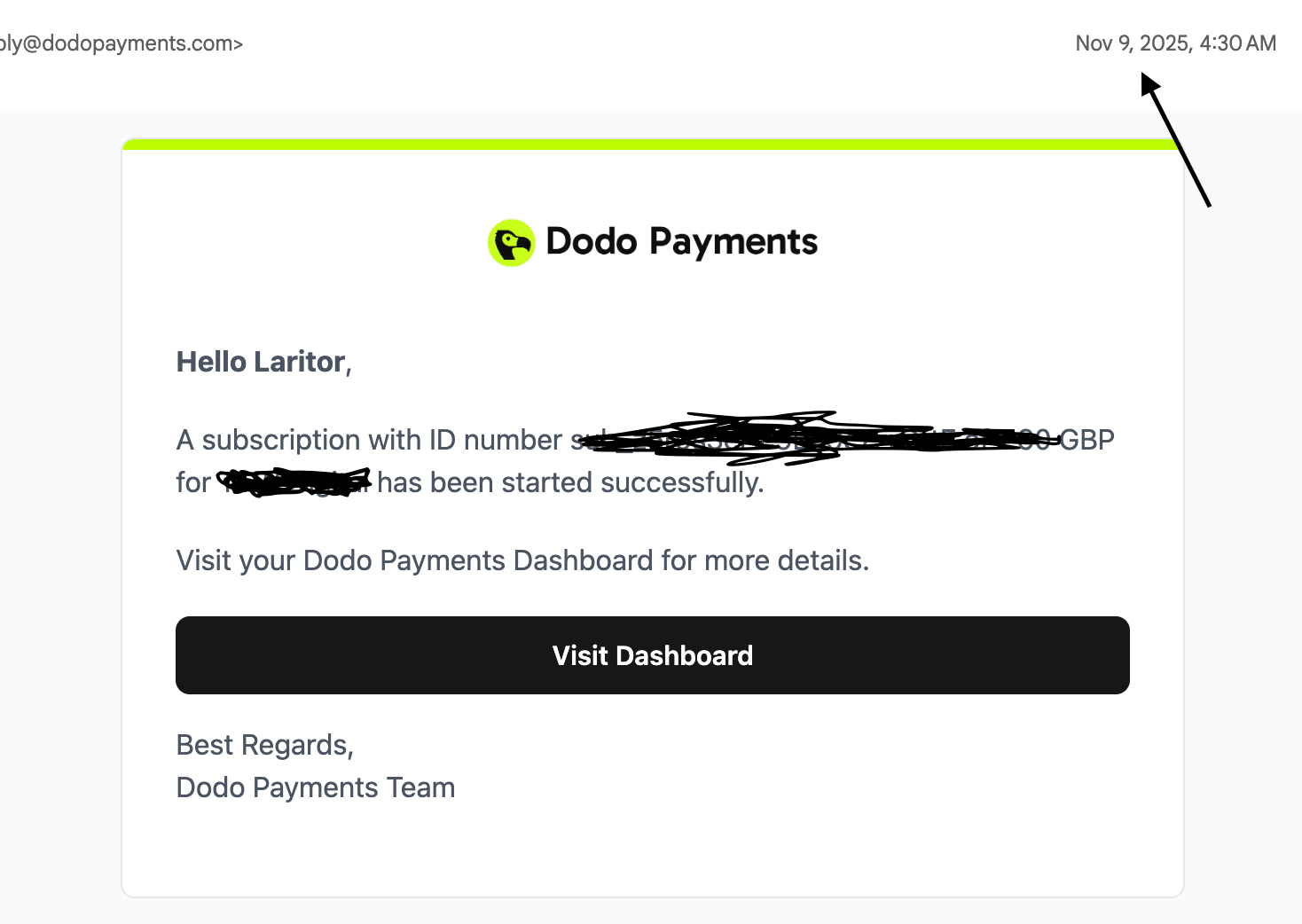
On November 9, 2025, Laritor received its first paid subscription. Someone trusted the product enough to pay for it. That confidence made it easier to keep building and listening.
Laritor at scale
Laritor processes more than a billion events per month. Customers use it in high-traffic Laravel applications to understand their exceptions, issues, and performance.
Keeping monitoring overhead low is central to the architecture. We share how the ingestion pipeline works and the decisions behind it on the Laritor blog.
A personal commitment
I started Laritor to build the monitoring tool I wished existed while leading engineering teams. Customer conversations still shape the product, and every feature starts with a real production problem.
My commitment is to keep improving Laritor for the Laravel developers and teams who depend on it.